Uppd · Co-founder
A social game built on video, community & gamification
Uppd let users challenge friends to share a skill on video and compete for prizes. We raised a friends-and-family round, reached the 2014 Techstars Chicago finalist stage, and drew interest from the founders of GoPro and Malwarebytes. We shut down after launch when our data showed most activity happening on existing social platforms.
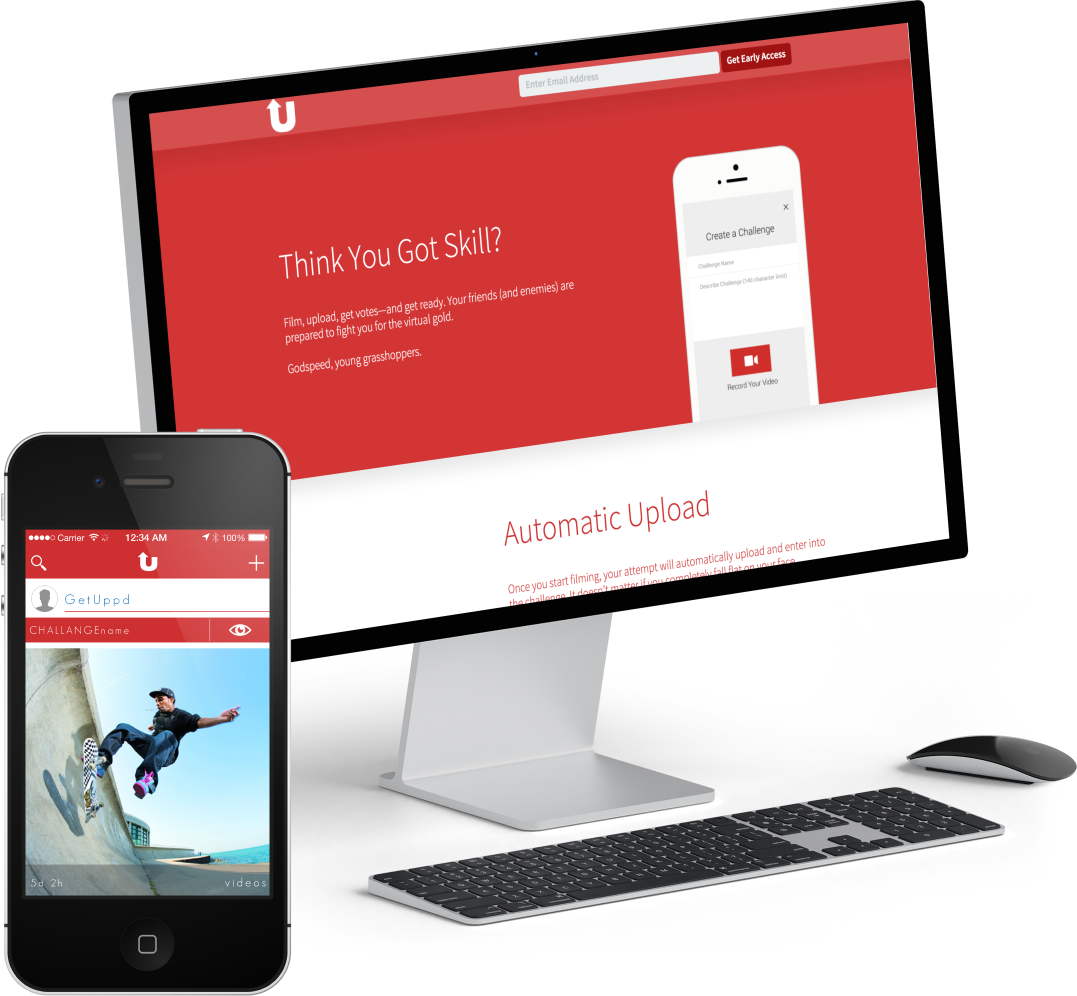 Fig. 01 / Social video
About Uppd.
Uppd was a social game where users challenged friends to share a skill on video. Submissions could earn virtual medals or sponsor prizes. Each challenge allowed one recording attempt. After the user tapped record, the clip uploaded and entered the competition.
Opportunity.
What we believed at the time. Video, social sharing, and gamification were all growing quickly on mobile. Uppd would combine them in one product: users performed for friends, brands sponsored local challenges, and trials could be tied to participation.
What turned out to be true. Video, social, and gamification did become major mobile formats, and challenge-style content grew significantly in the years after. But we underestimated how much of that behavior would stay on existing platforms. A standalone destination app wasn’t required for all three trends to matter.
Process.
We used a lean build-measure-learn cycle. Because the model was B2B2C, we partnered with neighborhood businesses to run local challenges and tracked challenges completed, votes cast, and sales tied to challenge events.
Each sponsored event asked customers to film themselves completing a challenge on site. Winners received a prize from the business: free product, a gift certificate, or store credit. Three examples:
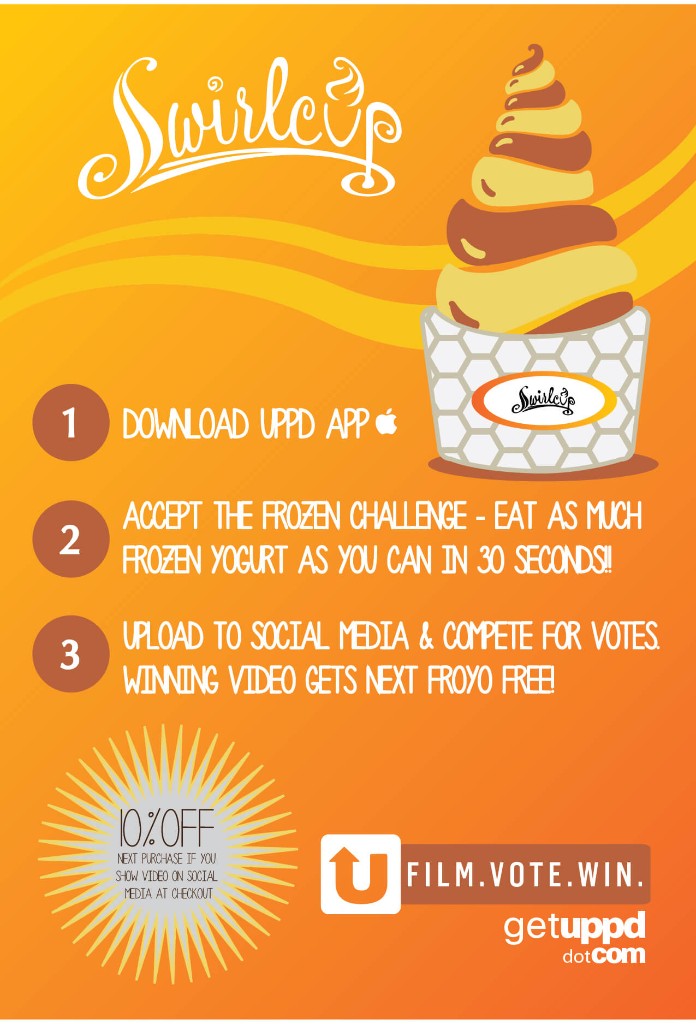
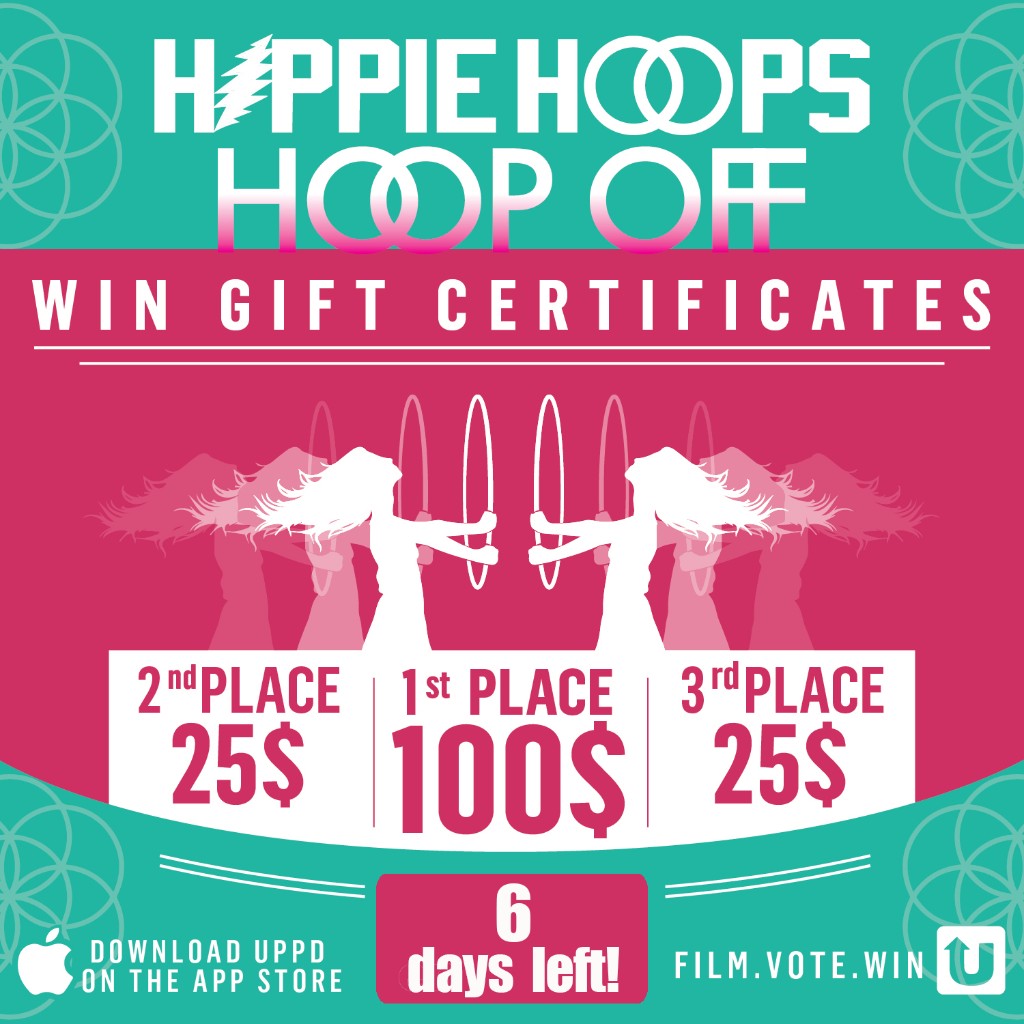
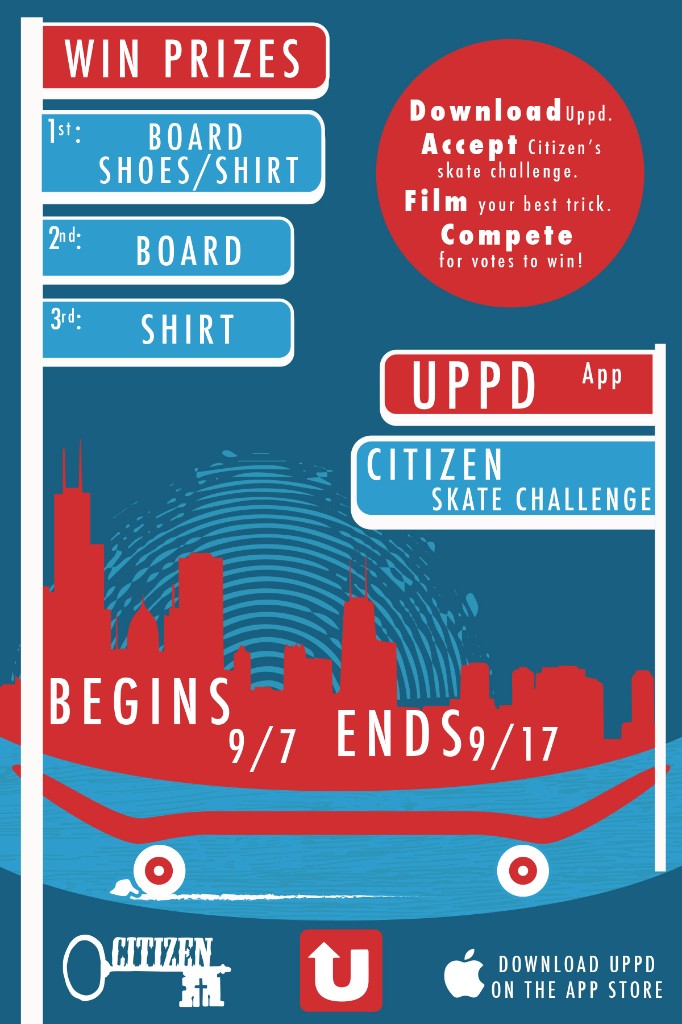
These events drove foot traffic. Participation was strongest when we removed friction from the submission path, but many customers were reluctant to download a new app and preferred to submit through existing social platforms or text instead.
Result & wind-down.
$25K
Friends-and-family round raised.
2014
Techstars Chicago finalist, including workspace at 1871.
Following the finalist announcement, Nick Woodman (founder of GoPro) and Marcin Kleczynski (founder of Malwarebytes) expressed interest in the project.
The wind-down
Challenge-style content grew on major social platforms in the years after launch. Our own data showed strong engagement with challenges, but much of that activity happened on YouTube, Instagram, and Facebook rather than inside Uppd. We also saw signs of app fatigue among younger users. We kept prioritizing a standalone destination app instead of adjusting the model around where users already were. Uppd shut down after launch.
Reflections.
Lesson 01
Review metrics against the product hypothesis. Our challenges generated activity, but most of it occurred off-platform. We had that data for months before changing direction. In every role since, I've treated product decisions as hypotheses: name the assumption, test it, and change course on what the study shows.
Lesson 02
B2B2C needs clear value for both sides. Businesses cared about foot traffic; users cared about sharing and competition. One app served both without a primary experience for either. Since then I look for separate surfaces when two customer types have different goals.
Lesson 03
Update the model when behavior shifts. User behavior moved to existing platforms faster than we adjusted. We built during the peak of Facebook’s social-plugin era and could have piggybacked on that distribution had we acted on the data sooner.
I was young and inexperienced when we built Uppd, and I’d handle several decisions differently today. The project still shaped how I work. I learned to act without being told and to build something from nothing. As a self-taught designer, it moved me from enthusiastic amateur to practicing professional: I had to learn the tools and UX practices well enough to defend my decisions to cofounders, partners, and investors, and to lead early, when most people at that stage are still learning to take direction. Uppd was one of many startups that didn’t scale, but through its failure I gained experience that carries into the work I do now.